
How to Spot Contractor Scams: A Texas Homeowner's Guide to Safe Roof Replacement
Updated: Dec 26, 2025
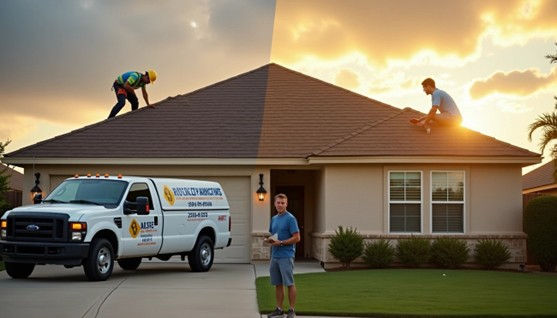
Texas homeowners face a surge in contractor scams right after major storms hit. You might notice unfamiliar roofing companies suddenly showing up in your area. These companies make promises of quick repairs and unbelievable deals. The problems are systemic in Texas because our weather can be unpredictable. We deal with everything from hailstorms to strong winds.
Here's something important to know: Texas law protects you at the time of an official disaster declaration. Out-of-area contractors cannot legally ask for payment before they start the work. This law exists because scammers often rush through repairs with cheap materials and vanish. You're left with shoddy work and no way to reach them. Your best defense is simple. Ask any potential roofer to show proof of state licensing and detailed liability insurance. Then double-check these documents with your state's contractor board. In this piece, we'll show you how to spot the warning signs of a contractor scam.
You'll also learn the practical steps to keep your roof replacement from getting pricey and turning into a nightmare.
Roof Replacement: How Texas Homeowners Can Spot Contractor Scams and Stay Safe
You can save thousands of dollars and avoid major headaches by spotting the warning signs of a contractor scam. Texas stands out from many states since it doesn't require licensing for . This makes it easy for dishonest people to pretend they're legitimate professionals roofing contractors
A contractor's refusal to provide written estimates or contracts should raise immediate red flags. Any legitimate roofer will document their work scope, materials, labor costs, and timeline. Someone who shows up at your door right after a storm to offer roofing services needs careful verification. Look them up online and check their professional organization memberships.
Stay alert when contractors ask for big upfront payments - scammers love this tactic. Texas homeowners have lost thousands on repairs that never happened in many documented cases. Low bids that look too attractive are another trap, as prices often shoot up once the work starts.
Watch out for high-pressure sales tactics. No legitimate contractor uses scare tactics or "today-only" deals. You should call it a warning sign if a salesperson gets confrontational when you show doubt. Note that honest roofers won't push for replacements unless they're truly needed.
What to Do If You Suspect a Scam
You need to act quickly if you've been scammed by a contractor. First, document everything about the whole ordeal. Take timestamped photos of incomplete or poor quality work and keep all contracts, receipts, emails, and voicemails.
The fraudulent contractor should be reported to several authorities:
1. File a complaint with the Better Business Bureau (BBB). They will contact the business within two business days and ask for a response within 14 calendar days.
2. Submit a report to the Texas Attorney General's Consumer Protection Division through their official website.
3. Call the National Insurance Crime Bureau at 800-TEL-NICB if you suspect insurance fraud.
4. Let your insurance provider know about your suspicions. Some policies cover remediation for fraudulent contractors.
Keep your personal information protected during this process. Never share credit card or bank details with anyone who contacts you unexpectedly. The BBB can intervene in disputes but cannot force contractors to comply with requests.
Texas homeowners should never sign documents that have blank sections. These could be filled later with different amounts or work descriptions. After a declared disaster, out-of-area contractors cannot legally request payment before starting work. Any contractors who offer to waive your deductible are breaking Texas law and should be avoided.
How to Choose a Safe Roofing Contractor
You need to do more than just compare quotes when choosing a reliable roofing contractor. Start by verifying credentials. Texas doesn't require roofers to have licenses, but legitimate contractors should carry proper insurance and show proof when asked. You should directly contact their insurance provider to verify both liability and workers' compensation coverage.
A contractor's Better Business Bureau rating tells you a lot - an A+ rating shows they consistently deliver good results and keep customers happy. Membership in organizations like the National Roofing Contractors Association adds extra credibility through their strict requirements.
You can check a company's business history on Florida's SunBiz Secretary of State website or similar Texas platforms to see how long they've been around. Companies with actual physical locations, not just P.O. boxes, are usually more stable and reliable.
Watch out for payment red flags. Contractors who want full payment upfront are likely running a scam. The smart approach is to create a payment schedule based on completed project milestones. Credit cards or checks are safer than cash because they leave a paper trail.
Make sure you get a detailed written contract that lists all materials, timelines, payment terms, and warranties. Read every word and ask questions about anything unclear before you sign.
A final crucial step is to ask for at least three recent local references. Talk to these clients about the quality of work, timeline accuracy, and how well the contractor communicated. Good contractors will happily provide references without any hesitation.
Conclusion
You need watchfulness to protect yourself from roofing contractor scams, especially after severe weather hits Texas. We've highlighted several warning signs that should raise red flags when you deal with potential contractors. Without doubt, contractors who lack proper documentation, ask for large upfront payments, and use high-pressure sales tactics likely have fraudulent intentions.
Legitimate roofing professionals won't rush you into making decisions or offer deals that seem too good to be true. On top of that, they provide verifiable credentials, references, and detailed written contracts right away.
Quick action is crucial if you meet a scammer. You should document everything and report them to proper authorities like the BBB and Texas Attorney General's office. Never share sensitive financial information. Your careful attention remains your best defense against becoming another victim.
Research potential contractors really well before signing any agreements. Look up their business history and verify their insurance coverage with providers directly. Talk to their previous customers about their experiences. Set up clear payment schedules linked to project milestones instead of paying everything upfront.
Your home is one of your most important investments. Taking time to pick reputable professionals for repairs or replacements ended up saving money and preventing heartache. It will give a quality workmanship that lasts for years. Stay informed and cautious to direct yourself through the challenging process of roof replacement while keeping scammers away.
Key Takeaways
Protecting your home from contractor scams requires recognizing red flags and taking proactive steps to verify credentials before any work begins.
• Never pay large amounts upfront - Legitimate contractors work on milestone-based payment schedules, not full payment before starting work
• Verify credentials independently - Always confirm insurance coverage directly with providers and check BBB ratings before hiring any contractor
• Get everything in writing - Demand detailed contracts specifying materials, timeline, and costs; never sign documents with blank sections
• Be wary of door-to-door solicitors - Post-storm contractors offering "today-only" deals or using high-pressure tactics are major red flags
• Document and report suspected fraud immediately - Take photos, save all communications, and file complaints with BBB and Texas Attorney General
Remember that in Texas, it's illegal for out-of-area contractors to demand payment before starting work during declared disasters. Your best defense is thorough research and trusting your instincts when deals seem too good to be true.
FAQs
Q1. How can I identify a potential roofing scam? Look out for contractors who demand large upfront payments, refuse to provide written estimates or contracts, use high-pressure sales tactics, or offer deals that seem too good to be true. Also, be wary of door-to-door solicitors, especially after storms.
Q2. Are roofing contractors required to be licensed in Texas? Unlike many states, Texas does not require licensing for roofing contractors. However, legitimate contractors should still carry proper insurance and be willing to provide proof upon request.
Q3. What should I do if I suspect I've been scammed by a roofing contractor? Immediately stop all communication and payments. Document everything, including photos of incomplete work. File complaints with the Better Business Bureau and the Texas Attorney General's Consumer Protection Division. Also, contact your insurance company if applicable.
Q4. How can I verify a roofing contractor's credibility? Check their Better Business Bureau rating, verify their insurance directly with the provider, and ask for recent local references. You can also check their business history using state resources and confirm if they belong to professional roofing associations.
Q5. What payment practices should I follow to protect myself from roofing scams? Never pay the full amount upfront. Establish a payment schedule tied to completed project milestones. Use credit cards or checks instead of cash to maintain a traceable record. Be cautious of contractors who only accept cash or demand full payment before starting work.


